Our Mission
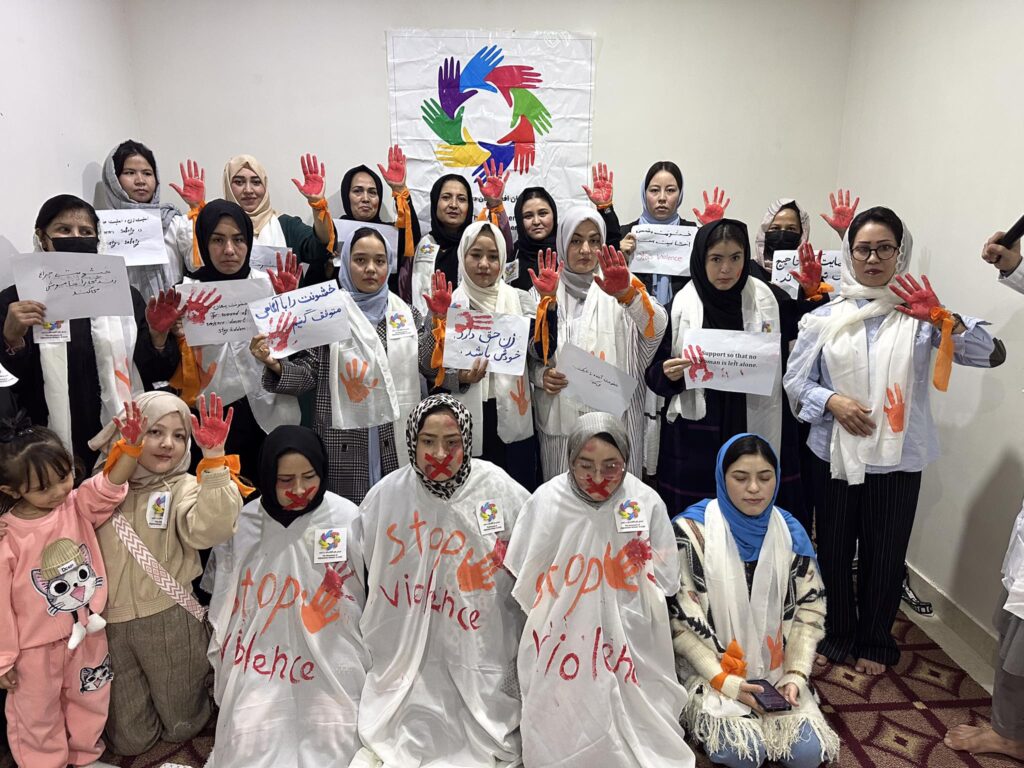
Our mission is to fight for women and girls’ rights to study work and freedom. Be port of the efforts, join our campaigns and stand for what matters the most for Afghan Women and Girls basic rights. Stay informed with our latest news make the international community to listen and react accordingly.

- 123-456-7890
Hazara International Day
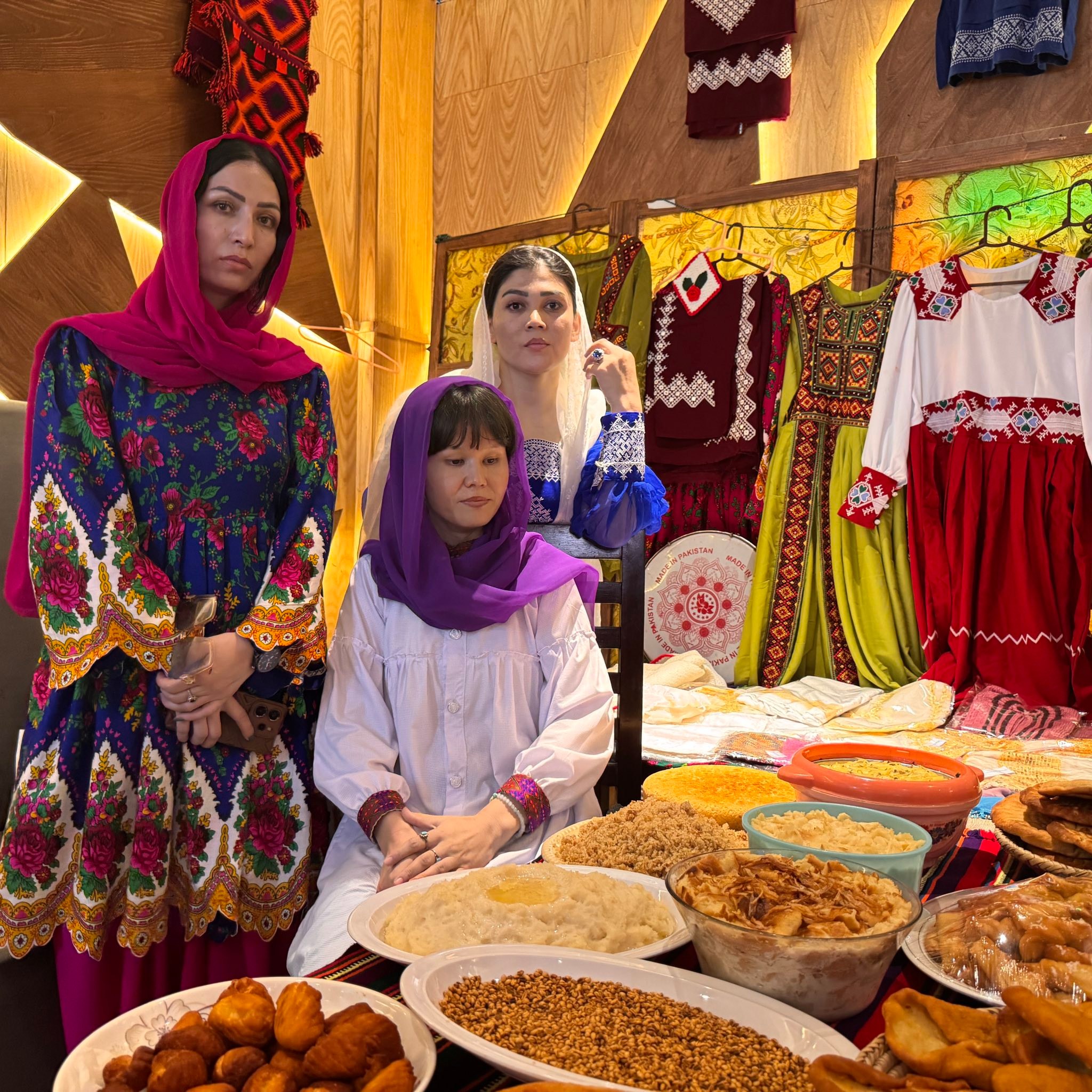
19 May – International Hazara Day
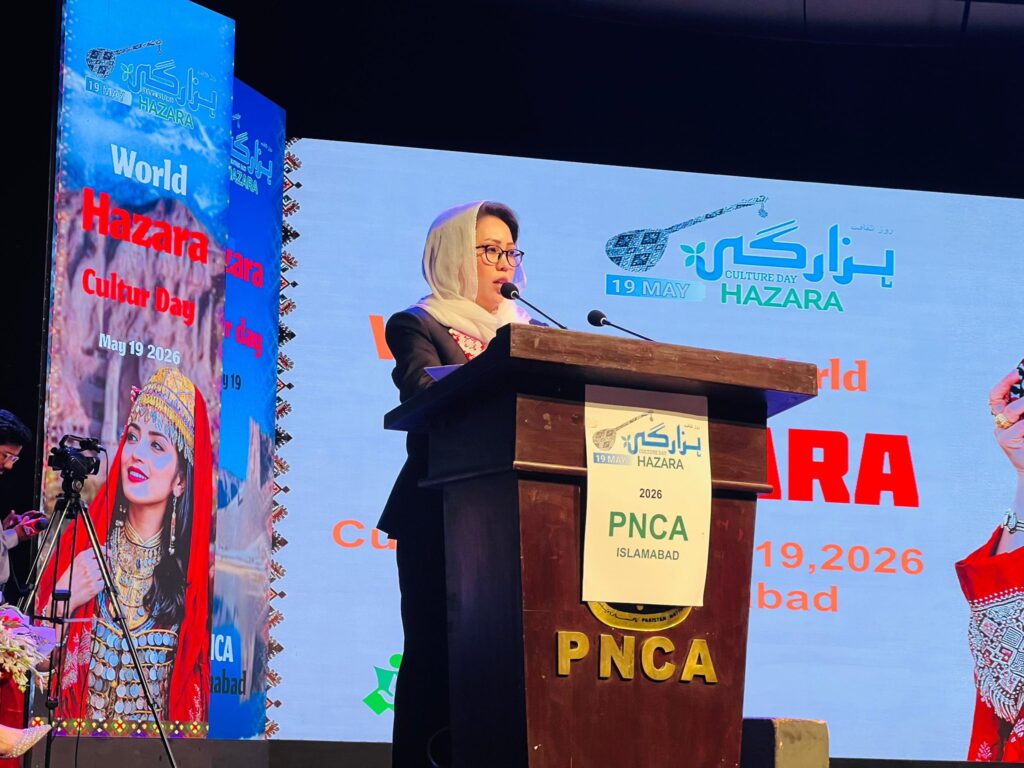
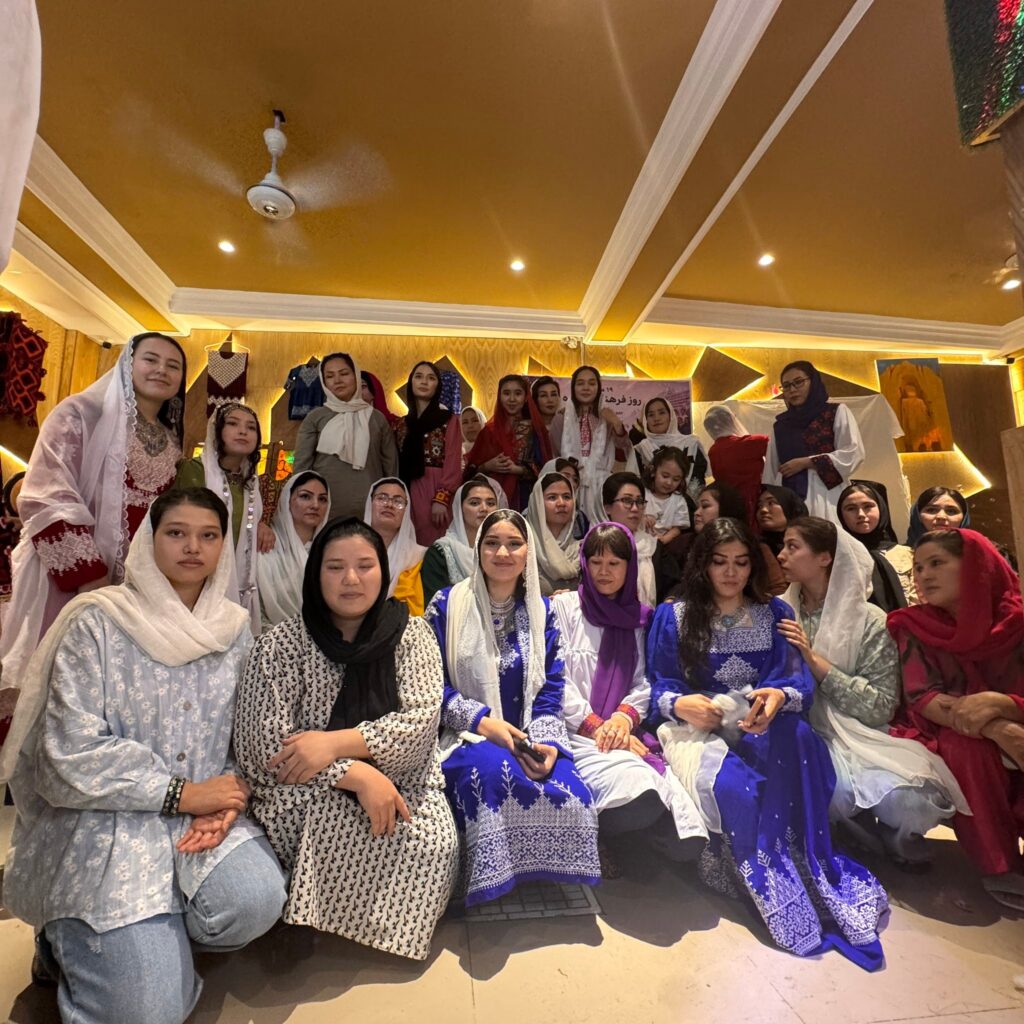
19 May, recognized as International Hazara Day, is an important occasion to honor the history, culture, identity, and resilience of the Hazara people. This day serves as a reminder of the struggles, sacrifices, and discrimination that Hazaras have faced throughout history, while also celebrating their rich cultural heritage, contributions to society, and enduring spirit.
The Hazara community has played a significant role in the social, cultural, educational, and political development of Afghanistan and the wider region. Despite decades of persecution, violence, forced displacement, and systematic discrimination, Hazaras have continued to stand for education, equality, human rights, and peaceful coexistence.
International Hazara Day is not only a day of remembrance, but also a call for solidarity, justice, and recognition of the fundamental rights of the Hazara people everywhere in the world. It is an opportunity to amplify the voices of victims, support human dignity, and promote a future built on equality, inclusion, and mutual respect.
On this day, we honor the courage of the Hazara community and reaffirm our commitment to human rights, social justice, and the protection of ethnic and religious minorities.
About Us
About Us
The Women’s Rights and Human Rights Movement in Exile is an independent movement founded by Afghan women’s rights advocates, journalists, educators, and civil society activists in exile. Established in April 2025, the movement is dedicated to promoting human rights, women’s rights, social justice, and equal access to education and opportunities for all.
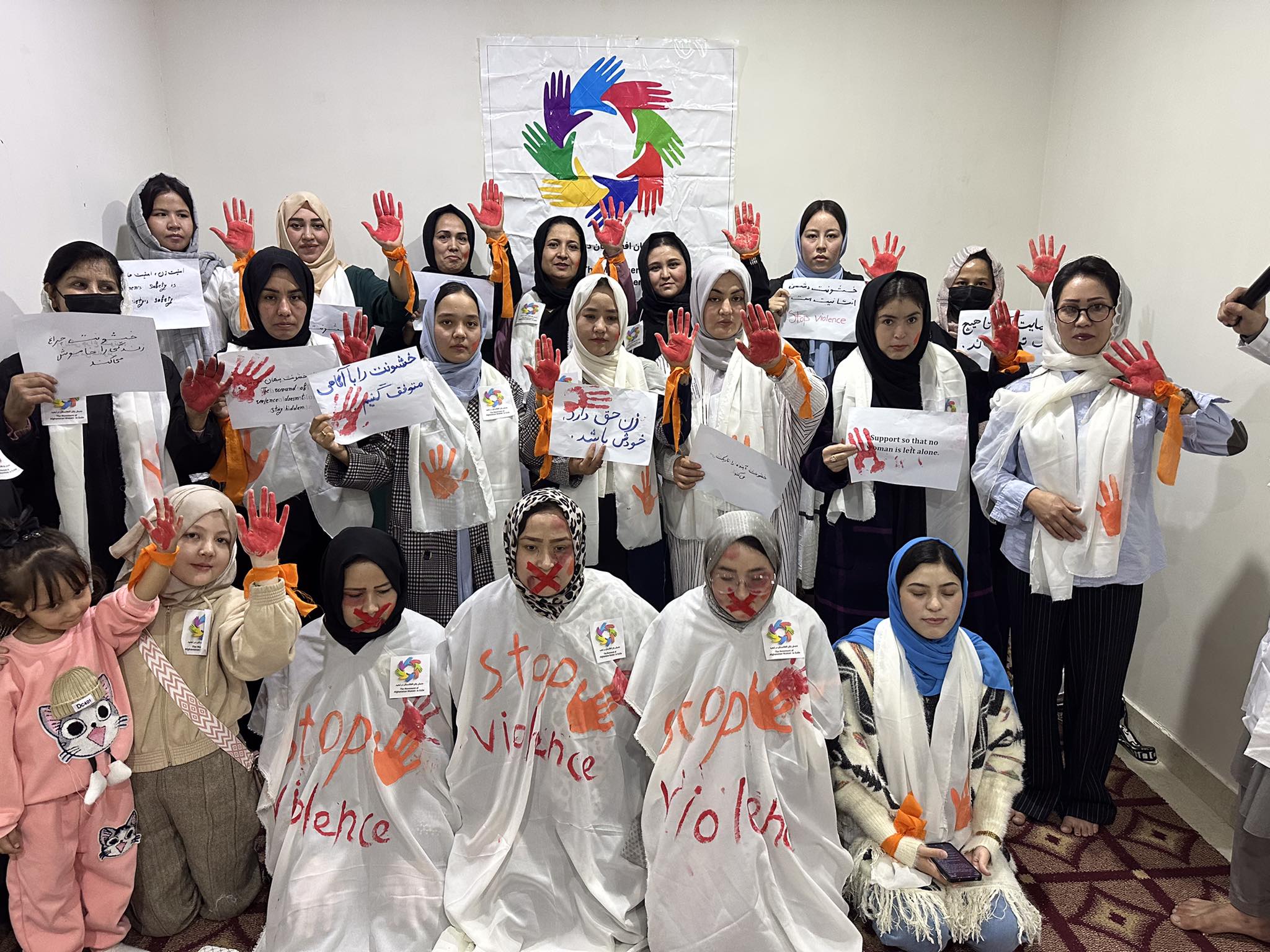
Through advocacy, media engagement, humanitarian initiatives, and international cooperation, we work to amplify the voices of Afghan women and vulnerable communities affected by conflict, discrimination, and restrictions on fundamental freedoms.
Our movement is committed to peaceful advocacy, dignity, equality, and justice. Even in exile, we continue to support awareness, education, and human rights efforts, while working toward a future where every individual can live with freedom, security, and equal rights.
Hazara International Day
19 May – International Hazara Day
19 May, recognized as International Hazara Day, is a significant occasion to remember the history, struggles, and resilience of the Hazara people in Afghanistan. It is a day to honor a community that has endured generations of discrimination, violence, marginalization, and persecution, yet has continued to contribute to the social, cultural, educational, and political life of the country.
Hazaras in Afghanistan have historically faced systematic exclusion and unequal treatment because of their ethnic and religious identity. During different periods of Afghanistan’s history, Hazara communities were subjected to mass killings, forced displacement, confiscation of lands, and denial of basic rights. Many Hazara families lost their homes, livelihoods, and security as a result of violence and discrimination.
In recent years, Hazara civilians have repeatedly been the targets of deadly attacks in schools, educational centers, mosques, maternity hospitals, sports clubs, cultural centers, and public gatherings, particularly in Hazara-populated areas such as Dasht-e-Barchi in Kabul. Thousands of innocent people, including students, women, children, journalists, and educators, have lost their lives or been injured in these attacks.
At the same time, many Hazaras continue to face social discrimination, economic hardship, political exclusion, insecurity, and restrictions on equal participation in society. Hazara activists, journalists, human rights defenders, and civil society members have often faced threats and intimidation for speaking out against injustice and inequality.
Despite these challenges, the Hazara people have remained deeply committed to education, human rights, peaceful coexistence, and social progress. The strong presence of Hazara youth, women, educators, artists, and professionals in different fields reflects the determination of a community that continues to strive for dignity, equality, and justice.
International Hazara Day is not only a day of remembrance for the victims of violence and discrimination, but also a call for recognition, protection, and equal rights for Hazaras in Afghanistan. It is a reminder that justice, inclusion, and respect for diversity are essential for a peaceful and democratic future for all Afghans.
Our Programs
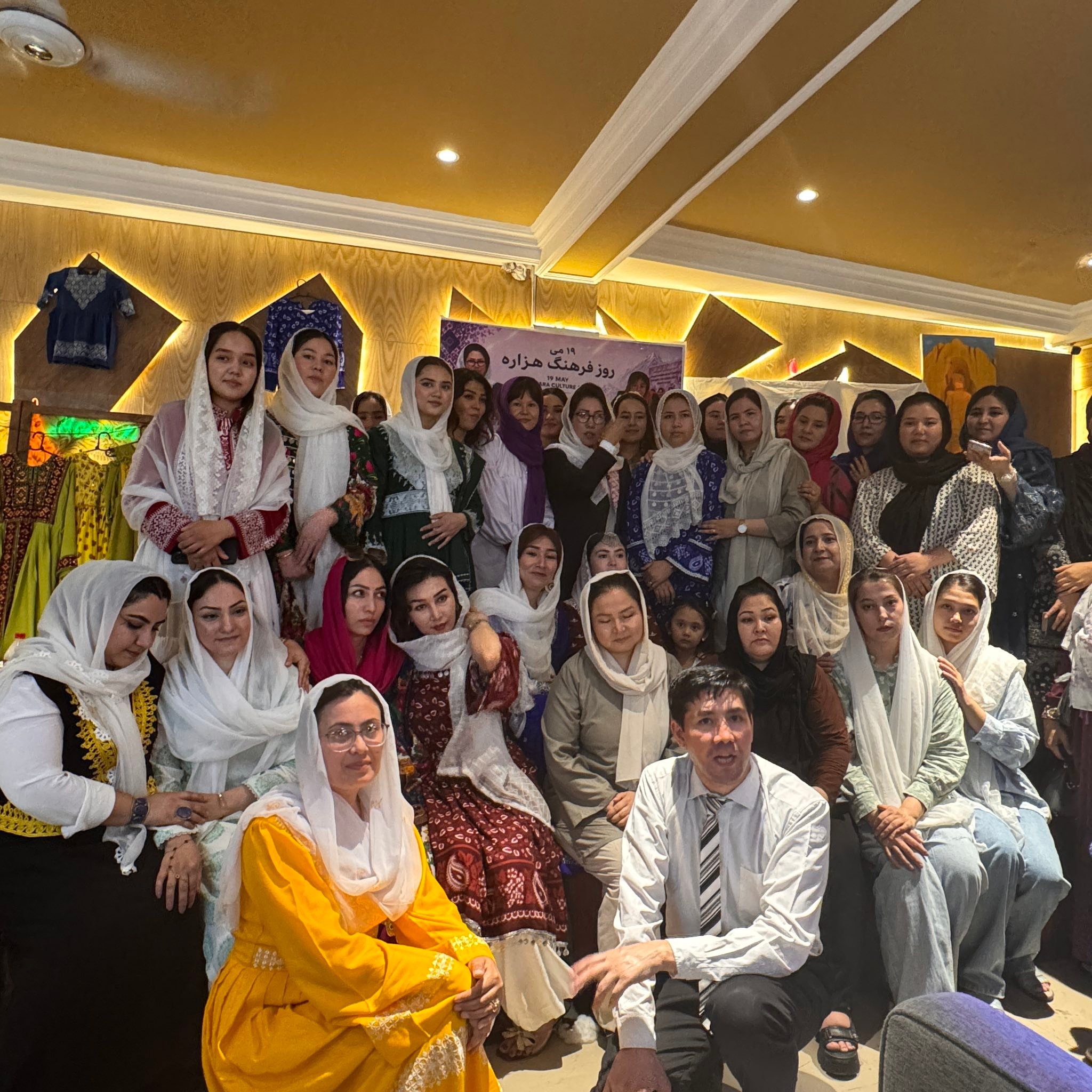
We as Non for Profit organization organize the following events

Why You should Join Us
We make your voice heard
We try our best to rise our voices to National and International organization to listen to us
Positive changes
Be Part of the positive changes to the women and girls
Empowerment
Stay stronger with us
Freedoom
Be part of efforts to ward freedom
Success Stories

© 2026 All Rights Reserved.
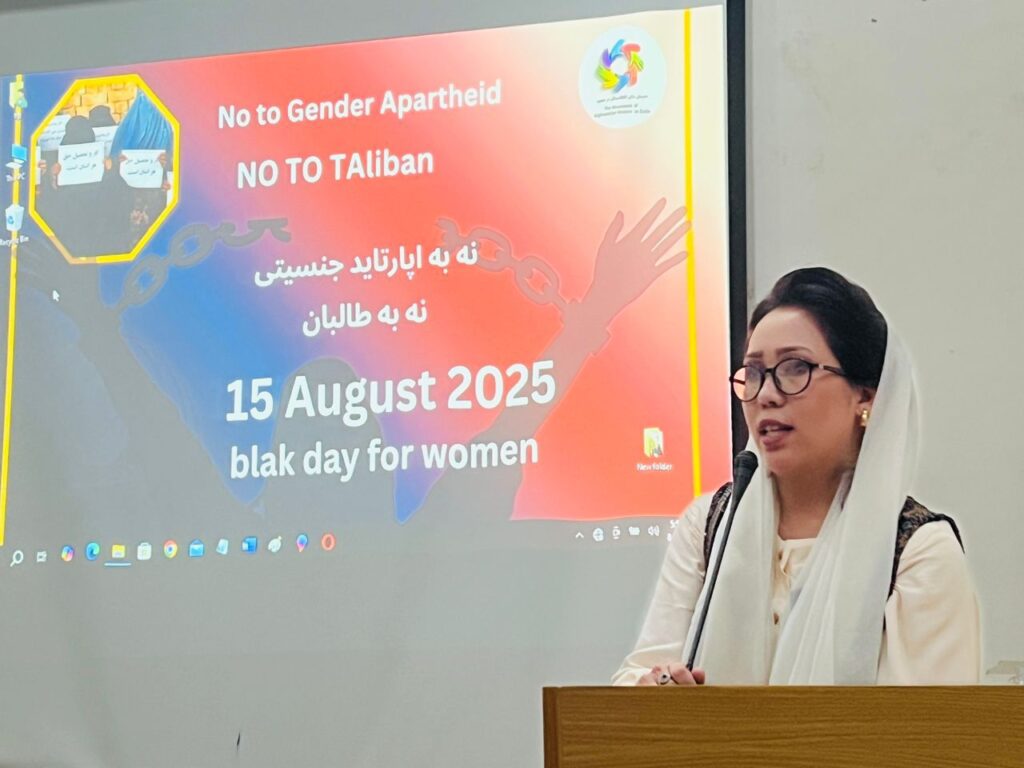
A massage from the co-founder!
Strength in women isn’t just born — it’s built. It’s passed from hand to hand, from mother to daughter, from friend to friend, from one fearless heart to another. Every challenge faced, every glass ceiling cracked, every moment of rising after a fall — all of it fuels the fire of strength that grows within.
This is a new era — a generation where women lead with power, love with courage, and live unapologetically. A generation where beauty is defined not just by appearances, but by resilience, authenticity, and the boldness to be exactly who you are.
At our core, we believe in uplifting that strength. Whether it’s a new haircut, a glowing skin treatment, or a quiet moment of self-care, it’s never just about looks — it’s about lighting up that spark inside. The spark that says: You are powerful. You are capable. You are enough
Farzana Rezaie
From Hope to Action
We are making dedicated efforts to change the future of Afghan women by providing basic education, skill development, and empowerment programs that promote independence, self-confidence, and leadership, while creating safe spaces for dialogue, mentorship, and support, encouraging women to pursue their dreams, challenge social barriers, and participate actively in shaping their communities, as we collaborate with local and international partners to advocate for policy reforms, raise awareness about gender equality, and ensure that every Afghan woman, regardless of her background, has the tools, opportunities, and voice to build a brighter, more inclusive, and sustainable future for herself and generations to come.
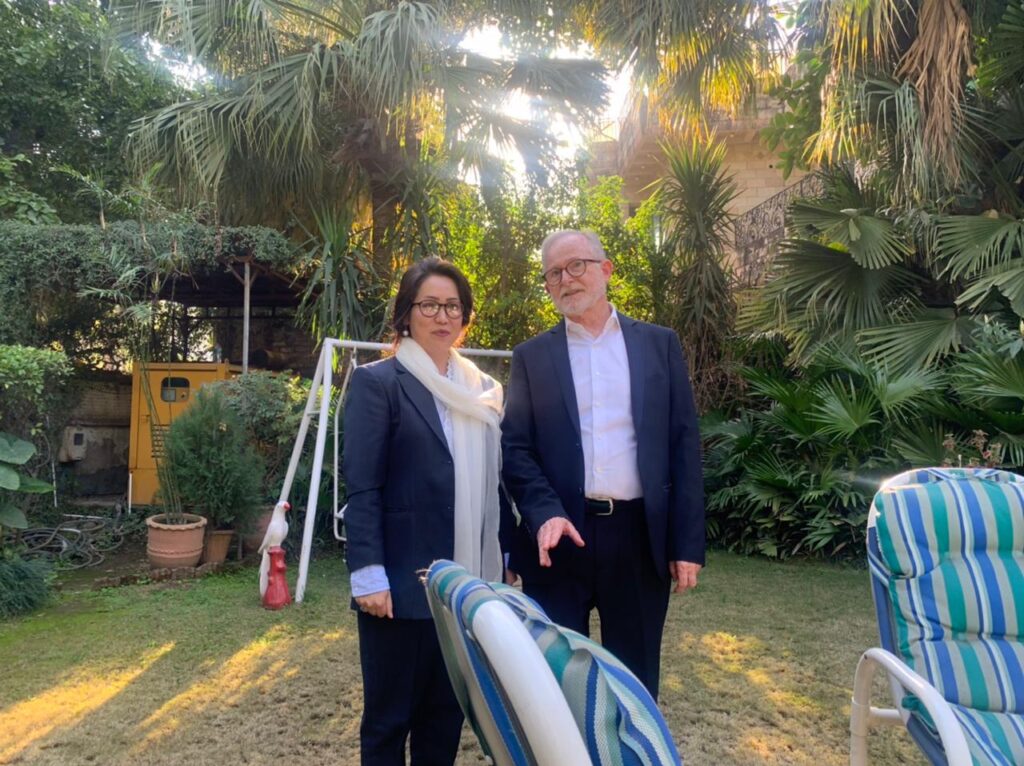
Meeting With MR. Richard Bennett The UN special reporter on the situation of human rights in Afghanistan
It was a significant and meaningful opportunity to meet with Richard Bennett, the United Nations Special Rapporteur on the situation of human rights in Afghanistan, and to discuss in depth the urgent challenges facing Afghan women and girls.
During our meeting, I raised serious concerns about the systematic restrictions imposed by the Taliban, particularly the ongoing bans on girls’ secondary and higher education, limitations on women’s employment, and severe restrictions on freedom of movement. I emphasized that these policies are not isolated decisions but part of a broader pattern of gender-based discrimination that is erasing women from public life. We discussed how these measures have devastating long-term consequences — not only for women and girls, but for the future development, stability, and prosperity of the country as a whole.
A major focus of our conversation was the situation of Afghan women and girls who are at extreme risk. I highlighted the cases of women human rights defenders, journalists, former government employees, judges, activists, and those who have publicly advocated for equality. Many of them face threats, harassment, arbitrary detention, or violence. The psychological impact of constant fear and uncertainty was also discussed, especially for young girls who have been denied their fundamental right to education.
We also addressed the urgent challenges facing Afghan refugees, particularly women and girls at risk in neighboring countries and in exile. I stressed the need for faster and more transparent asylum processes, protection pathways, and humanitarian visas. Many vulnerable women are still waiting for relocation while living in unsafe conditions, without access to legal protection, stable income, or education. I underlined that delays in international response can place lives in immediate danger.
Furthermore, we discussed the importance of recognizing and addressing what many advocates describe as gender apartheid — the institutionalized system of discrimination that systematically excludes women from public and social life. I called for continued international monitoring, documentation of violations, and strong accountability mechanisms through the United Nations system.
The meeting was also an opportunity to share the voices and testimonies of Afghan women inside the country and in exile. I emphasized that Afghan women do not want to be seen only as victims; they are leaders, professionals, and changemakers who are demanding their rights and dignity. Their resilience and courage must be supported by concrete international action.
Engaging with the Special Rapporteur reinforced the importance of sustained global attention on Afghanistan. Continued reporting, advocacy, and diplomatic pressure are essential to ensure that the rights of Afghan women and girls remain a priority on the international agenda. I remain committed to working with international partners and human rights mechanisms to amplify these voices and push for meaningful change.